
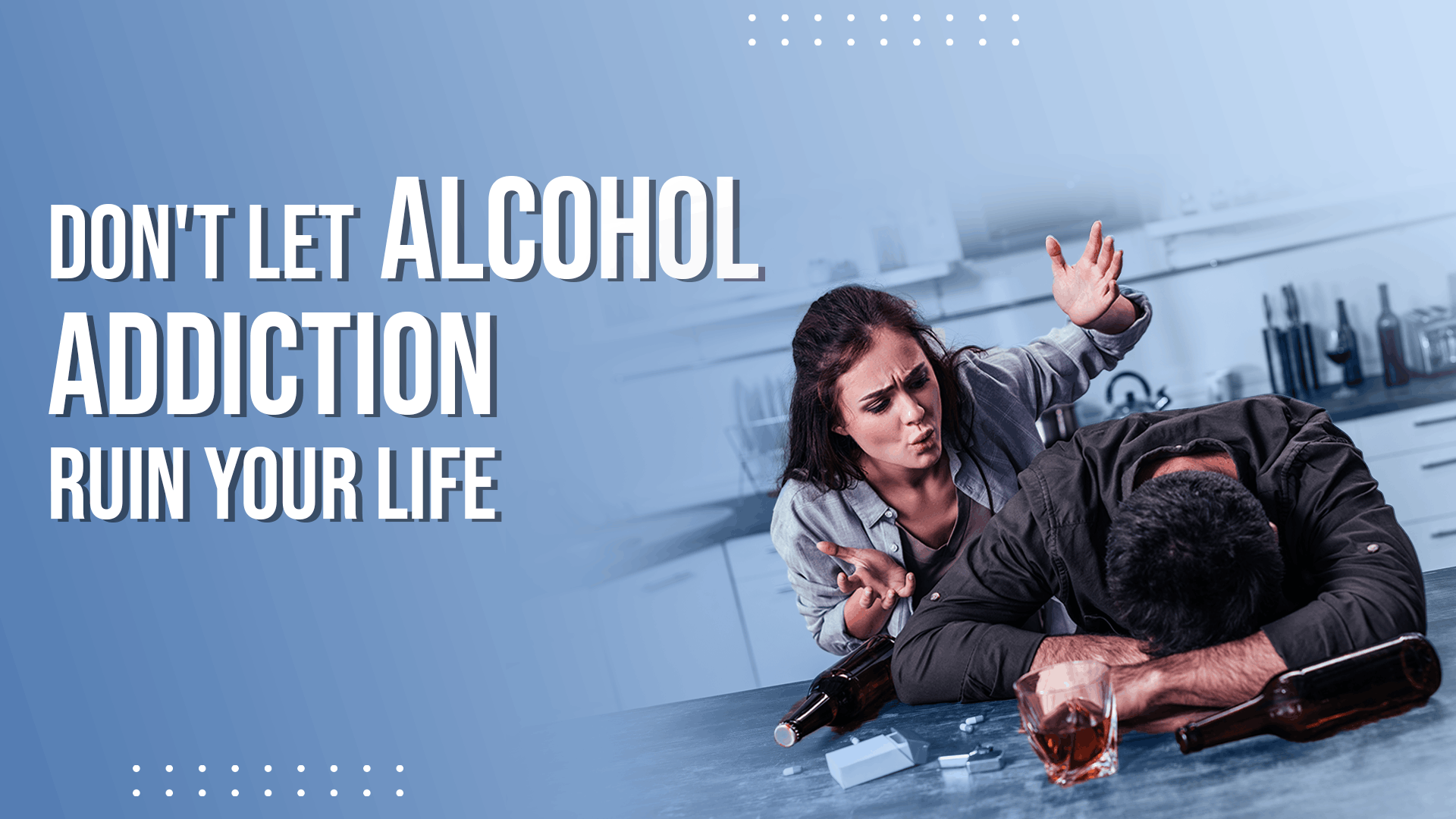
This is the article you are reading because you have already tried everything. You have begged, threatened, hidden bottles, paid debts, lied to relatives, cancelled plans, sat awake at 2 AM. None of it worked, and now you are searching the internet at midnight for some clarity on what to actually do. This guide is meant to give you that clarity — written by a centre that has walked through this conversation with hundreds of families across Delhi, Noida, Greater Noida, Ghaziabad, Faridabad and the wider NCR.
Step 1: Stop trying to do this alone
The hardest single shift for a family of someone with alcohol addiction is to admit that the problem is bigger than the family’s love can solve. Love is necessary. It is not sufficient. Alcohol addiction is a medical condition with a strong genetic and neurochemical component, and treating it without medical support is like treating a heart attack with herbal tea. Your job is not to fix the addiction. Your job is to bring in the right team — and then to do the family work alongside the patient.
Step 2: Recognise the medical signs that change urgency
Most families wait too long. They wait because the addicted family member promises to cut down. They wait because last month was a little better. They wait because the stigma of admitting someone to rehab feels heavier than the slow erosion of the daily situation. Some signs, however, mean you cannot wait:
- Morning drinking — alcohol consumed within an hour of waking up. This is a hallmark of physical dependence.
- Hand tremors, sweating or anxiety that subsides only after a drink — classic withdrawal.
- Vomiting blood, yellowing of the eyes or skin, severe abdominal pain — possible liver failure. Hospital first, rehab after.
- Blackouts — episodes the person cannot remember. The brain is being damaged.
- Suicidal ideation, severe depression, talk of ‘ending it’ — psychiatric emergency.
- Aggression or violence at home — a non-negotiable signal that intervention must happen this week, not next quarter.
If you are seeing two or more of these signs, do not wait. Call a rehab admissions desk or a psychiatrist today.
Step 3: Have the conversation — once, calmly, without ultimatums
Pick a sober moment. Pick a private space. Pick one person — usually the person the patient most trusts — to lead the conversation. The script is short and looks something like this:
‘I love you. I am scared. I have watched you try and I have watched you struggle. I cannot watch this any longer. I have spoken to a centre called Heartsprings in Greater Noida. They are kind. They have doctors. They have yoga and meditation, family counselling. They will let you choose your doctor. I am asking you to come with me for one consultation. Just one. After that, we decide together.’
Do not threaten divorce, disinheritance, withdrawal of love. Do not deliver ultimatums in the moment. The patient’s brain is not capable of negotiating from threat. They will say yes to escape the conversation, and then refuse to follow through. The conversation is meant to plant a seed, not produce a same-day decision.
Heartspring | Best Nasha Mukti Kendra in Delhi – Drug & Alcohol Rehab
Step 4: Choose the centre carefully
If you have read the earlier guide on choosing a rehab centre in Greater Noida, the criteria are: founder transparency, qualified medical team, integration of therapy + yoga + meditation, family involvement, transparent fees, structured aftercare and verifiable reviews. Two specific things matter most for alcohol addiction:
- Medical detox capacity — alcohol withdrawal can be fatal without supervision. The centre must have on-call doctors and protocols for treating delirium tremens.
- A psychiatric assessment included in admission — about 40% of patients with severe alcohol dependence have an underlying mental-health condition (depression, anxiety, PTSD) driving the use. If the centre does not assess for this, recovery will be incomplete.
Step 5: If the patient refuses to come — what then?
This is the hardest situation. Three options exist, in increasing order of intervention:
- Repeat the conversation, weekly, calmly. Some patients need to hear it eight or ten times before something cracks.
- Bring a counsellor or doctor home for a one-time conversation. Heartsprings can arrange this for families in Delhi, Noida, Greater Noida, Ghaziabad, Faridabad and the wider NCR — a counsellor visits, sits with the family, talks to the patient, makes the doors visible.
- In severe cases (medical emergency, violence, psychiatric crisis), Heartsprings can arrange compassionate, non-coercive pickup support. The team is trained, the process is dignified, and the patient is never handled by force. This option is used only when the situation cannot wait.
Step 6: Prepare yourself, not just the patient
Once admission happens, your work has just begun. Co-dependency is real. Enabling patterns are real. The home environment that produced the using will, on the patient’s return, do its best to produce it again — unless the family changes too. Heartsprings runs structured family-counselling sessions through the residential programme: weekly calls with a counsellor, monthly family-day visits with workshops, and pre-discharge home-environment planning. Use them. The families who do this work alongside the patient see far better outcomes than the families who wait for the rehab to ‘fix him’ and bring him home.
Step 7: Plan the first 90 days after discharge
The 90 days after discharge are statistically the highest-relapse window in the entire recovery journey. Plan them deliberately:
- No alcohol in the house. None, anywhere, at any time. Not for a year.
- Aftercare check-ins with the Heartsprings counsellor — at minimum weekly for the first month.
- A daily routine — yoga, meditation, work, family time, sleep. Boredom is a major relapse trigger; structure is a major protector.
- Re-build social life slowly. Avoid old drinking circles entirely. Lean on alumni groups.
- Recognise that the patient may have low days. Low days are not relapses. Be patient.
A final word
Alcohol addiction in Delhi NCR is hidden behind a thousand polite social rituals — the Friday-evening drink, the wedding-season bar, the office party. Many families wait until the situation is undeniable before they act. By then, the medical, financial and relational damage is large. The kindest thing you can do for someone you love who is struggling with alcohol is to refuse to be polite about it, and to bring in the right help quickly. Heartsprings exists, in part, because our founder watched a family member walk through this conversation badly. We built the centre we wished her family had found. If your family is in this place tonight, please do not wait.
Recovery is possible. It is medical, structured, gentle, dignified — and it begins the moment a family decides to stop carrying this alone.
To begin a confidential family consultation with Heartsprings, please call our admissions line. We are based in Greater Noida and serve families across Delhi NCR.
